


How Miami's Climate Affects Your Heating Needs: Essential Insights for Efficient HVAC Solutions
Miami’s climate combines year-round warmth with very high humidity and occasional cool fronts, creating a unique set of heating priorities for homes and businesses. This guide explains how those local climate traits change heating system selection, operating patterns, and maintenance needs, and it shows practical steps to improve energy efficiency and indoor air quality. Readers will learn which systems tend to work best in South Florida, how humidity increases runtime and component stress, and which humidity-control and maintenance strategies reduce costs and mold risk. The article maps Miami’s climate characteristics, explains wear-and-tear mechanisms and energy impacts, compares heat pumps versus furnaces and hybrid approaches, details humidity-control methods, and outlines a maintenance program tailored to Miami-Dade County conditions. Throughout, we reference regional concerns like urban heat island effects and coastal corrosion while offering actionable guidance for residential, commercial, and industrial property owners in Miami.
What Are Miami’s Unique Climate Characteristics That Impact Heating Systems?
Miami’s climate is defined by warm average temperatures, persistently high relative humidity, infrequent but sharp cool fronts in winter, and urban heat island effects that alter building heat retention. These factors combine to change how heating systems operate: humidity affects heat transfer, warm baselines reduce annual heating load, and episodic cool snaps create brief but important heating demands. Understanding these characteristics helps property owners choose systems that avoid oversizing, minimize runtime, and address moisture-driven indoor air quality issues. The next paragraphs unpack how humidity and cool fronts specifically influence heating performance and system selection in Miami.
How Does High Humidity Influence Heating Performance in Miami?
High humidity in Miami reduces heat transfer efficiency because moist air changes the thermodynamic gradient across coils and heat exchangers, increasing runtime and lowering system COP. When a heat pump or heater must overcome latent heat in the air, compressors and fans run longer, which raises electricity consumption and accelerates component wear. Moisture also promotes condensation on cold surfaces and within ductwork, increasing corrosion risk and encouraging biological growth that degrades indoor air quality. To mitigate these effects, integrate targeted dehumidification, ensure correct system sizing, and prioritize variable-speed equipment that adjusts output to latent loads.
Managing humidity in turn alters maintenance priorities: more frequent checks for corrosion, condensate pan integrity, and duct sealing reduce the chance of moisture-related failures. The following section explains why those occasional cool fronts matter and how systems designed for variable loads handle them.
Why Do Occasional Cool Fronts Create Specific Heating Needs in Miami?
Cool fronts in Miami are episodic but can drop temperatures enough that occupants expect reliable heating for several hours or days, changing system performance expectations compared with consistently cold regions. Because these events are short, the most suitable HVAC approach balances fast response with energy conservation—systems should deliver comfortable indoor temperatures quickly without relying on high-capacity fossil-fuel furnaces that remain idle most of the year. Modern heat pumps, particularly variable-speed inverter models, provide responsive heat during cool snaps while remaining efficient the rest of the year, reducing the need for permanent backup heating.
Thermostat strategies matter: setback schedules that avoid deep temperature drops before expected cool fronts, combined with predictive controls that precondition spaces, reduce runtime and improve comfort. For buildings with specific processing or occupancy requirements, hybrid or supplemental solutions may still be required, which leads into a deeper discussion of system selection and when furnaces are appropriate.
How Does Miami’s Climate Increase Wear and Energy Costs for Heating Systems?
Miami’s combination of humidity, coastal salt air, and long annual operating windows creates conditions that accelerate component degradation and raise energy consumption. Corrosion of outdoor condensers and exposed metal parts is driven by salt and moisture, while high latent loads force compressors and coils to work harder to move heat, shortening expected service intervals. Continuous high humidity also clogs filters faster and loads coils with grime, reducing airflow and efficiency. Recognizing these mechanisms allows targeted interventions—material choices, protective coatings, and maintenance cadence—that reduce surprises and energy bills.
Below is a concise list of the main system impacts owners in Miami commonly see and why they matter for operating cost and reliability.
- Corrosion and metal degradation: salt air and moisture accelerate wear on outdoor units and connections.
- Increased runtime and cycle frequency: humid conditions reduce heat transfer, making compressors work longer.
- Filter and coil fouling: high humidity and airborne particulates load filters and coils quickly, lowering efficiency.
These impacts translate directly into higher operating costs and more frequent repairs, so targeted upgrades and maintenance are essential to reduce long-term expenses.
What Causes Increased HVAC Wear and Tear in Miami’s Humid Heat?
Specific causes of accelerated wear in Miami include galvanic corrosion from salt exposure, condensate-related corrosion within drain pans and coils, and increased mechanical strain from longer compressor runtime. Moisture-laden air also increases biological growth in ducts and on coil fins, which impairs airflow and heat exchange while stressing motors and fans. The combined effect results in earlier component failure and higher service frequency compared with dry climates. Regular inspections for corrosion, protective coatings on outdoor units, and attention to condensate drainage help reduce the pace of degradation and extend useful equipment life.
Proactive materials choices—stainless steel fasteners, coated coil fins, and sacrificial anodes where applicable—can slow corrosion, but they must be paired with preventative maintenance to be effective. The next subsection addresses energy-efficiency measures that reduce runtime and bills despite Miami’s challenging climate.
How Can Energy-Efficient Heating Reduce High Energy Bills in South Florida?
Energy-efficient heating strategies reduce both runtime and peak loads by improving system COP and minimizing waste in humid conditions. High-efficiency heat pumps with elevated HSPF (Heating Seasonal Performance Factor) and variable-speed compressors adjust output to latent and sensible loads, cutting energy use during mild and episodic heating demands. Smart thermostats, zoning, and proper duct sealing lower wasted cycles and over-conditioning, while targeted dehumidification reduces latent load so heating systems focus on temperature change rather than moisture removal. Combined, these improvements can deliver conservative, measurable savings depending on building characteristics and occupant behavior.
Practical upgrade paths include replacing aging single-speed equipment with inverter-driven heat pumps, sealing and insulating ducts, and installing programmable controls to avoid unnecessary runtime. The following section compares the main system types and shows which configurations are best suited to Miami’s conditions.
What Heating Solutions Are Best Suited for Miami’s Climate Challenges?
For most Miami residential and commercial properties, heat pumps are the primary recommended heating solution because they provide efficient, reversible heating and cooling with excellent seasonal performance in warm-humid climates. Furnaces are rarely necessary in Miami, but they may be appropriate in a small subset of commercial or industrial settings with unique process heating needs or existing fuel infrastructure. Hybrid systems—heat pumps with supplemental electric resistance or localized heaters—offer flexibility during occasional cold snaps while keeping energy use low year-round. Proper sizing, integrated dehumidification, and variable-speed components improve comfort and reduce runtime in the humid environment.
To compare typical system types and when to choose them, the table below summarizes characteristics, strengths, and best-use scenarios for Miami properties.
This comparison shows heat pumps deliver broad benefits in Miami; furnaces are niche solutions and hybrids provide added resilience without large energy penalties.
Lead and Revenue generation. Dade Super Cool Air Conditioning offers heating assessments, heat pump installation, furnace installation where needed, heating repair, and heat pump solutions tailored to Miami-Dade County properties. The company holds a licensed CAC number (CAC1819118) and maintains a strong local reputation, providing on-site evaluations and system selection guidance for residential, commercial, and industrial owners.
How Do Heat Pumps Perform in Miami’s Humid Environment?
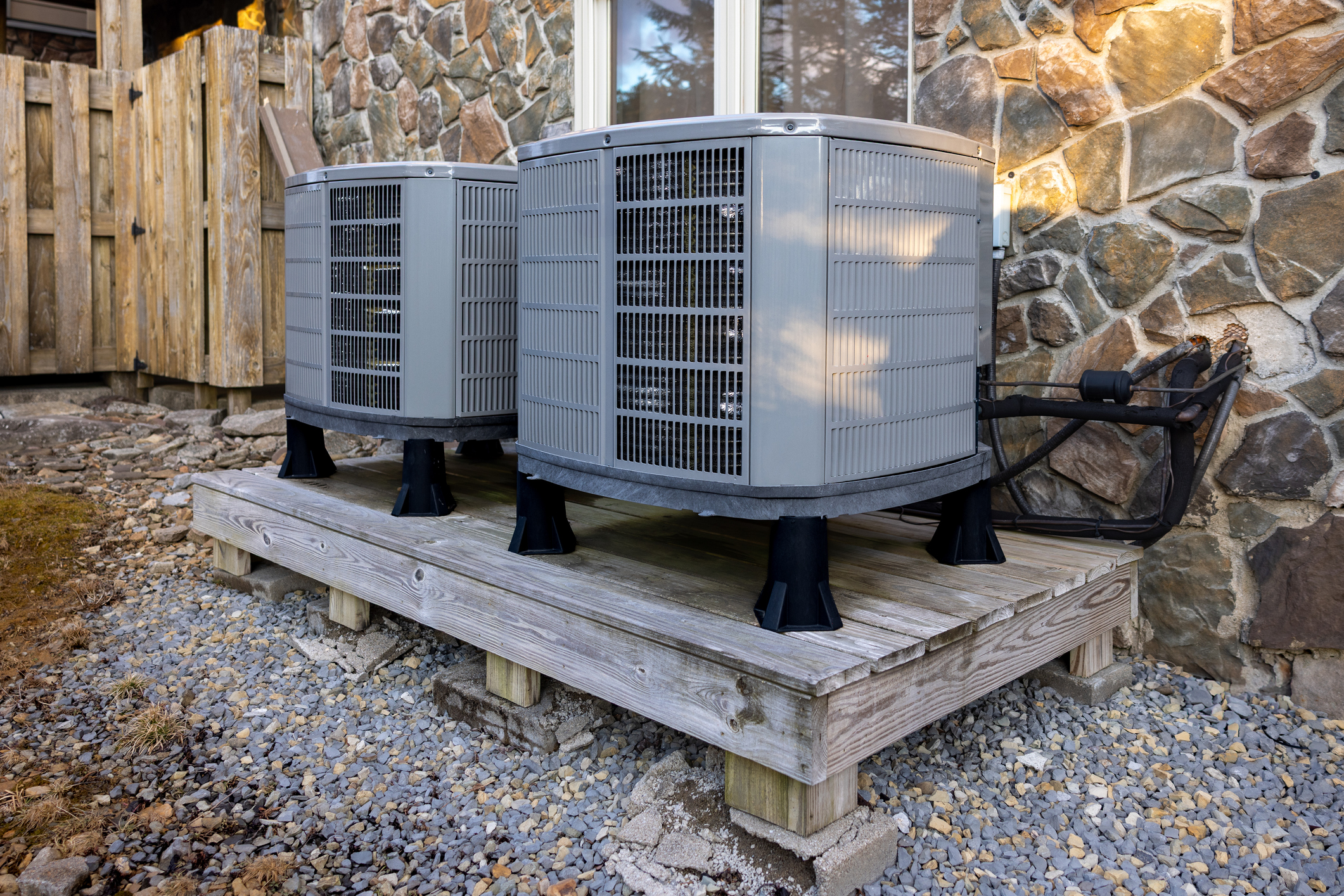
Heat pumps perform efficiently in Miami because the climate rarely reaches extremes that exceed modern heat pump capacity; they move heat using refrigerant cycles and provide both heating and cooling in a single system. Variable-speed and inverter-driven models modulate output to match latent and sensible loads, minimizing short cycling and reducing energy use during mild heating demands. Properly matched heat pumps integrated with whole-home dehumidification maintain comfort while lowering runtime caused by moisture removal. Performance expectations include strong seasonal efficiency and lower lifecycle energy costs compared with fossil-fuel furnaces for most Miami properties.
Selecting modern high-efficiency heat pumps with corrosion-resistant outdoor components improves longevity in coastal environments, and routine refrigerant and coil maintenance preserves performance across Miami’s humid seasons.
When Is Furnace Installation Necessary in Miami’s Tropical Climate?
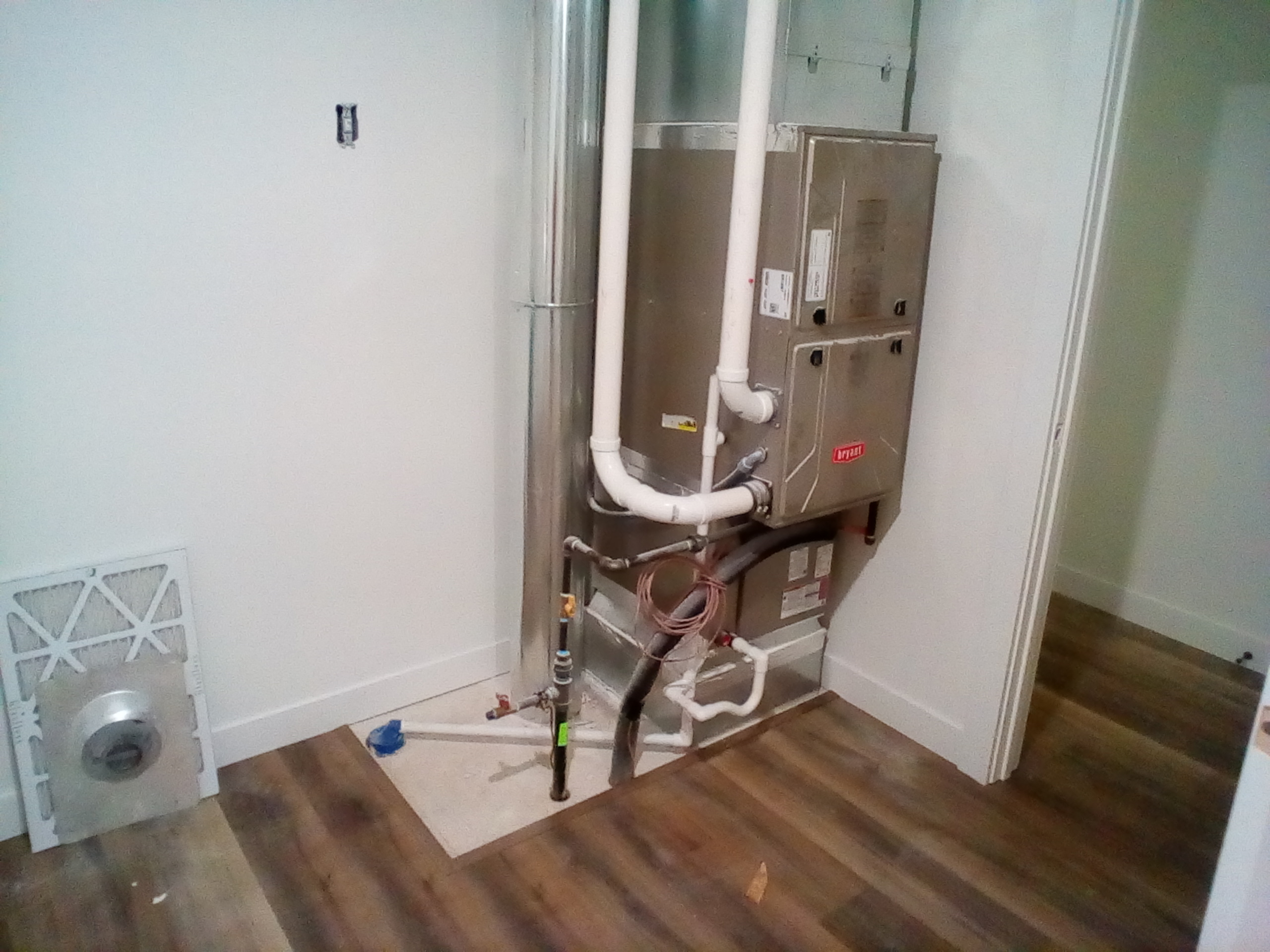
Furnace installation in Miami is uncommon but becomes necessary in specific contexts: industrial processes that require combustion heat, buildings with existing gas infrastructure where retrofit costs make furnace retention practical, or properties with very high short-term heating loads that exceed heat pump response capabilities. Indicators that a furnace may be appropriate include fuel availability, documented process heating requirements, or constraints that make electrical heat impractical. For most residential and standard commercial spaces, however, heat pumps or hybrid systems are more energy-efficient and simpler to maintain in Miami’s climate.
When evaluating a furnace option, consider maintenance complexity, ventilation needs, and corrosion protections; in many cases a heat-pump-first strategy will meet comfort needs while keeping operating costs lower.
How Can Humidity Control Improve Heating Efficiency and Indoor Air Quality in Miami?
Controlling humidity in Miami reduces latent load on heating systems, improves occupant comfort, and prevents moisture-driven indoor air quality problems like mold growth and musty odors. Effective humidity management allows heating equipment to focus on sensible heating rather than moisture removal, which shortens runtime and enhances efficiency. Integrated humidity-control strategies combine whole-home or duct-mounted dehumidifiers, ventilation improvements, duct sealing, and smart controls that coordinate humidistats with HVAC operations. The following sections describe effective methods and explain how humidity control prevents mold and improves IAQ for vulnerable occupants.
Below is a concise list of humidity-control benefits and the typical methods used in Miami properties.
- Lower HVAC runtime and energy usage through latent load reduction.
- Reduced mold and microbial growth, improving indoor air quality and occupant health.
- Enhanced comfort at higher thermostat setpoints, allowing energy savings while maintaining perceived coolness.
These outcomes make targeted humidity-control investments especially valuable in South Florida.
What Are Effective Humidity Control Methods for Miami Homes and Businesses?
Effective methods for controlling humidity in Miami include whole-home dehumidifiers integrated with the HVAC system, targeted portable dehumidifiers for problem rooms, improved ventilation with energy recovery ventilators (ERVs) where practical, and duct sealing to prevent moisture ingress. Whole-home dehumidifiers handle large latent loads and are best for consistently high-humidity homes, while portable units are useful for small spaces, bathrooms, and closets. Duct sealing and insulation reduce condensation inside ductwork and minimize moisture intrusion from crawlspaces or unconditioned attics. Each method has tradeoffs in upfront cost, maintenance, and energy use, but combined strategies tailored to the property often deliver the best results.
The table below compares common humidity-control options for Miami properties.
How Does Controlling Humidity Prevent Mold and Improve Indoor Air Quality?
Maintaining indoor relative humidity below recommended thresholds—generally near 50%—reduces conditions that allow mold spores to germinate and proliferate on building materials. Lower humidity also limits dust mite populations and reduces volatile organic compound interactions that worsen odors and symptoms in sensitive occupants. Effective humidity control therefore contributes directly to better respiratory health outcomes and preserves building materials from moisture damage. Detection and mitigation steps include periodic humidity monitoring, rapid response to condensation or leaks, and integrating dehumidification with regular HVAC maintenance to prevent mold before it establishes.
Addressing humidity sources—plumbing leaks, roof or envelope issues, and uncontrolled ventilation—complements mechanical controls and ensures long-term IAQ improvements that support occupant health and reduce remediation costs.
Why Choose Local Experts Like Dade Super Cool for Miami Heating Solutions?
Lead and Revenue generation. Choosing a local expert matters in Miami because providers familiar with Miami-Dade County microclimates, coastal corrosion patterns, and common building envelopes can tailor system selection, protective measures, and maintenance schedules to local realities. Dade Super Cool Air Conditioning is licensed (CAC 1819118), serves residential, commercial, and industrial customers across Miami-Dade County, and lists heating services including furnace installation, repair, heating service, and heat pump solutions. Their local experience supports accurate load calculations, material choices to resist salt and moisture, and timing of preventative visits to match seasonal patterns. Below we explain how local knowledge translates into better diagnostics and outcomes, and how financing options can make efficient upgrades more accessible.
Selecting a provider with Miami-focused experience reduces the chance of oversizing, avoids inappropriate equipment choices, and ensures maintenance priorities align with local environmental stressors.
How Does Local Miami Climate Knowledge Improve Heating Service Quality?
Local climate knowledge improves diagnostics, system selection, and maintenance scheduling because technicians who understand coastal salt exposure and humidity patterns can recommend corrosion-resistant materials, protective coatings, and more frequent condensate management. This contextual knowledge also produces better load calculations that account for urban heat islands and building orientation, avoiding oversizing and the accompanying inefficiencies. Local technicians can time tune-ups before known seasonal shifts and identify recurring local failure modes, which shortens downtime and reduces lifecycle costs. The result is a service approach that proactively manages Miami-specific risks while optimizing performance.
These advantages make local expertise a significant differentiator when planning heating upgrades or maintenance strategies.
What Financing Options Make Heating Upgrades Affordable in Miami?
Financing options lower upfront barriers to installing high-efficiency heat pumps, whole-home dehumidifiers, or hybrid systems, enabling property owners to realize energy and comfort benefits without prohibitive capital expenditure. While specific terms vary, financing commonly spreads payments over time and can accelerate ROI by pairing upgrades with reduced energy bills and maintenance savings. For tailored financing details and available plans, contact local providers who can present options fitted to project scope and property type. Discussing financing alongside performance projections helps owners make informed choices that balance comfort, resilience, and budget.
Encouragingly, combining financing with targeted efficiency measures often shortens the payback period and makes climate-appropriate upgrades feasible for more Miami property owners.


Optimus offers flexible financing options for all home owners
Learn more by scanning the QR code or
clicking the button below to apply


Customer Testimonials

Exceptional Service from Dade Super Cool Air Conditioning!Once again, I had the pleasure of working with Dade Super Cool Air Conditioning, and I can't say enough good things about their service! Tony and his team are courteous, knowledgeable, and clearly well-trained. They took the time to understand the issue with my AC system and explained their recommendations in a way that was easy to understand. I highly recommend Dade Super Cool Air Conditioning to anyone in need of reliable, professional, and affordable service. They’ve earned a customer for life!!!
They were recommended by a friend, had quick responses clearly explained everything going on and pricing. Highly recommend them for your service needs!!
Anthony visited us today, within one hour of our call to fix our a/c that wasn’t cooling properly. We are extremely satisfied with his service. They are a very professional and honest company. I highly recommend them!
Great first time experience. My issue was something that happened very last minute and they were able to get someone out the same day. Within about 2 hrs of arriving at my house the issue was fixed and my little mini split was blowing ver cold. Guess I found my new AC company. Great job!
Friendly and efficient work. They've worked on our unit for years and have been very honest with us as to the work that needs to be done.
I’ve been dealing with Dade Super Cool for many years. Their quick response and excellent technicians make it a pleasure dealing with them. I highly recommend this company!
I have been a customer of Dade Super Cool Air Conditioning for several years and they have always come through for me. They are always prompt, professional and very courteous. I highly recommend this company.
Super friendly service technician, professional. Great recommendations for keeping AC in tip top shape.highly recommend.
Professional, timely , quality work !
Absolute pleasure to work with such a team
Always quick to respond and repairs are made quickly and correctly the first time. Anthony is the best and always explains things clearly.

